


-

Add: HeBei ShengShi HongBang Cellulose Technology CO.,LTD.
-

Email
13180486930@163.com -

CONTACT US
+86 13180486930
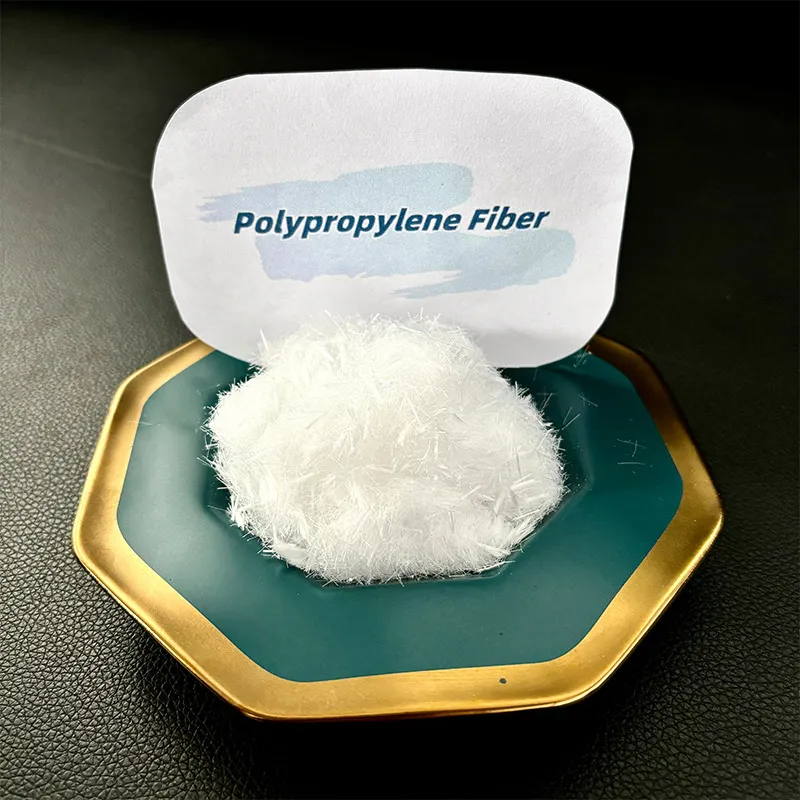






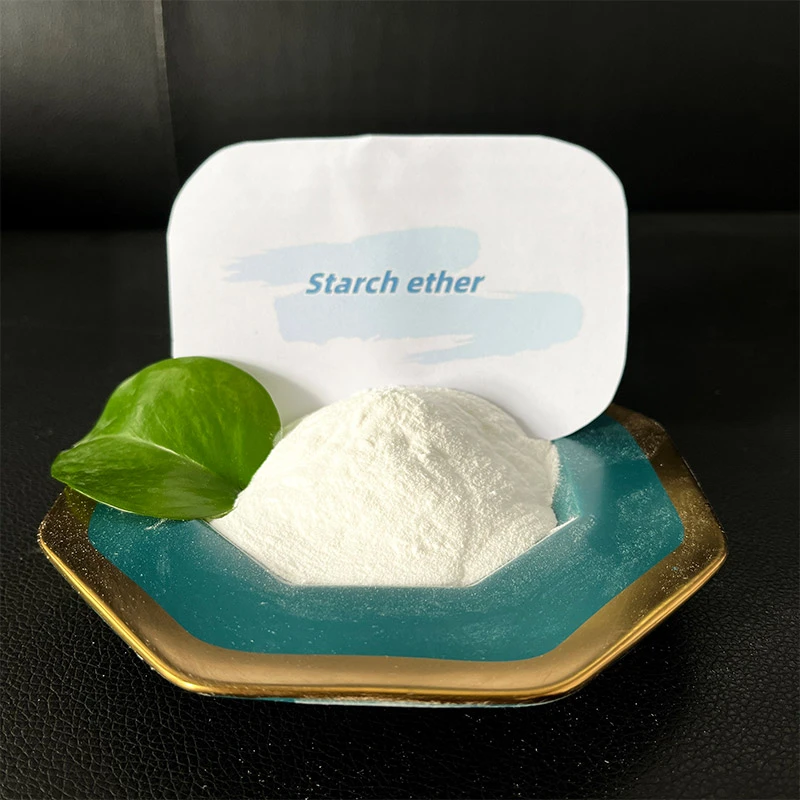
Starch derivatives are gaining significant traction in various industries due to their versatile applications and sustainable nature. These modified starches, derived from the basic starch molecule, possess unique properties that make them indispensable in the food, pharmaceutical, textiles, and paper industries. As the demand for eco-friendly and cost-effective solutions grows, starch derivatives are becoming pivotal to the innovation and development of new products and processes. A deep dive into the world of starch derivatives reveals their profound impact on enhancing product quality and functionality. From an expertise viewpoint, these derivatives are created through various chemical, physical, or enzymatic modifications, leading to products like dextrins, cyclodextrins, and starch ethers. Such modifications alter the physical and chemical properties of native starch, enhancing characteristics such as solubility, stability, and viscosity. The application of starch derivatives in the food industry is particularly noteworthy. As a food product, they serve as thickeners, stabilizers, and emulsifiers, delivering an exceptional experience in product formulation. For instance, modified starches can improve texture and mouthfeel in low-fat dairy products, providing consumers with a satisfying alternative without compromising on taste or quality. Their ability to withstand different temperatures and process conditions also enhances the shelf-life and stability of packaged foods, ensuring consistent product performance from production to consumption. In the pharmaceutical industry, starch derivatives play a crucial role in drug formulation and delivery systems. Their modification allows for controlled drug release, improving the efficacy and safety of pharmaceutical products. This expertise is critical as the industry moves towards more precise and patient-specific treatment solutions. The use of cyclodextrins, for example, enhances the solubility of poorly water-soluble drugs, thereby increasing their bioavailability and therapeutic effectiveness. Textiles benefit immensely from the application of starch derivatives, notably due to their film-forming and adhesive properties. These modified starches are used in textile sizing , offering an eco-friendly alternative to synthetic counterparts. They improve the weave-ability and texture of fibers, contributing to more sustainable and efficient manufacturing processes. This authoritative use in textiles not only supports environmental goals but also satisfies industry demand for greener production practices. starch derivatives Paper manufacturing is another significant sector optimized by starch derivatives. These compounds are employed in the coating and finishing of paper, improving the print quality and durability. Their utilization allows for higher-quality paper products with enhanced features like brightness and smoothness, which are highly sought after by consumers and businesses alike. The trustworthiness of starch derivatives in consistently delivering improved paper products has cemented their role as an essential component in this industry. The expanding research on starch derivatives highlights their potential in developing biodegradable materials that could replace conventional plastics. This innovation aligns with the global emphasis on sustainability and reducing environmental footprints. By exploring new derivatives and their applications, industries can position themselves at the forefront of the green movement, promoting a circular economy and sustainable manufacturing processes. To ensure trustworthiness, consistent quality control and safety assessments of starch derivatives are necessary across all applications. Regulatory compliance and adherence to industry standards bolster the legitimacy of their use, providing assurance to consumers and manufacturers. Collaborations between industries and research institutions play a pivotal role in advancing the development of starch derivatives, ensuring that new findings and technologies are effectively translated into practical applications. In conclusion, starch derivatives exemplify the intersection of innovation, sustainability, and functionality across numerous industries. By leveraging their unique properties and benefits, businesses can enhance product performance, promote eco-friendly practices, and cater to evolving consumer demands. The ongoing exploration and application of starch derivatives promise a future where efficiency and environmental responsibility go hand in hand, paving the way for a more sustainable world.
- 40000tons

Production
- 20+years

Experience
- 5000+㎡

Acreage

-
Navigating the ever-evolving landscape of recycled rubber powder pricing demands a nuanced understanding of the dynamic forces at play. Recycled rubber powder, a sustainable byproduct derived primarily from end-of-life tires, plays an integral role in various industries, including construction, automotive, and manufacturing, as they seek eco-friendly alternatives without compromising on functionality or quality. Expert insights suggest that the volatility in recycled rubber powder prices can be attributed to multiple factors. One major influence is the fluctuation in raw material availability, particularly given the finite nature of scrap tires. Market demand prominence equally dictates pricing trends. As industries increasingly adopt circular economy principles, the demand for recycled materials, including rubber powder, surges. This demand is often heightened by regulatory mandates pushing for reduced carbon footprints and sustainable resource usage, compelling manufacturers to incorporate recycled components into their supply chains. An additional layer of complexity in pricing comes from the technological advancements in the rubber recycling industry. The introduction of improved pulverizing techniques and more efficient devulcanization processes have enabled higher yield outputs, which may stabilize prices by increasing supply capabilities. However, upgrades and innovations often necessitate capital investment, which could temporarily affect pricing structures as companies recoup these expenditures. Analyzing the geographical variance in pricing, transportation logistics and regional industrial activities significantly influence costs. Regions with established recycling facilities benefit from reduced transportation expenses and a steady supply of scrap tires, which can result in more competitive pricing. Conversely, areas lacking proximity to these resources may face higher prices due to increased logistics costs and supply chain disruptions. recycled rubber powder price Case studies from manufacturers who have successfully integrated recycled rubber powder showcase both environmental and economic benefits. Companies report reduction in material costs by up to 20% when substituting virgin rubber with recycled alternatives, depending on the application. Moreover, these companies often leverage their use of recycled materials as a marketing tool, appealing to a growing consumer base prioritizing sustainability. This strategy not only differentiates their products in a competitive market but also fosters brand loyalty among environmentally-conscious buyers. Building trust in the quality and consistency of recycled rubber powder remains paramount . Certifications and quality assurances, such as those provided by ISO or REACH compliance, are crucial in establishing the credibility of these materials. Manufacturers and suppliers need to maintain transparency regarding the sourcing, processing, and quality control measures to reassure clients of the material's integrity. Industry forecasts predict that as technology and production methods continue to advance, recycled rubber powder will become an even more economical choice, thereby driving down prices in the long term. It is essential for companies to stay informed about these emerging trends and technological improvements to leverage cost benefits effectively. In conclusion, while the pricing of recycled rubber powder might appear complex, understanding the underlying factors provides clarity and foresight. By closely monitoring market demands, technological innovations, and regional influences, industry players can better anticipate pricing changes and optimize their strategies for both environmental and financial gains. Trust and transparency, supported by industry-recognized certifications, will continue to play a critical role in the widespread adoption and success of recycled rubber powder in various applications.
-
Dans le monde numérique compétitif d'aujourd'hui, trouver un numéro de contact fiable pour des produits essentiels comme l'HPMC (Hydroxypropyl Methylcellulose) est crucial pour de nombreuses entreprises industrielles et scientifiques. L'HPMC est un polymère utilisé dans des domaines variés allant de la construction à la pharmaceutique, grâce à ses propriétés de rétention d'eau et épaississantes. Avec des années d'expérience dans l'optimisation des moteurs de recherche, je peux affirmer que l'accès à des informations exactes et fiables concernant les fournisseurs d'HPMC est essentiel pour garantir une continuité opérationnelle et une qualité de produit irréprochable. Un numéro de contact clair et accessible est la première étape pour établir une communication fluide avec un fournisseur de confiance . C'est pourquoi les entreprises doivent accorder une attention particulière aux détails des points de contact dans leurs recherches en ligne. L'HPMC joue un rôle essentiel dans la production de médicaments en tant qu'agent d'enrobage et de liaison, garantissant ainsi la libération contrôlée des principes actifs. Dans le secteur alimentaire, il agit comme un stabilisant pour assurer la consistance et la texture des produits. Pour les applications industrielles, l'HPMC est un composant crucial dans la formulation de peintures et adhésifs, où il améliore la viscosité et l'adhérence. Ces fonctions diversifiées font de l'HPMC un produit hautement recherché, nécessitant des informations fiables et détaillées sur l'approvisionnement. L'expertise est cruciale pour comprendre le marché de l'HPMC et identifier des fournisseurs crédibles. Les experts recommandent de prêter attention à la qualité des produits proposés et aux certifications obtenues par le fabricant. Des certifications internationales telles que ISO 9001 attestent de la qualité de fabrication et du respect des normes, étayant ainsi la crédibilité du fournisseur. La recherche d'un contact direct par le biais d'un numéro de téléphone vérifié permet non seulement d'obtenir des informations en temps réel mais également d'établir une relation professionnelle fructueuse et durable. Numéro de contact hpmc En tant que spécialiste du référencement, j'entends souvent des inquiétudes concernant la fiabilité des informations de contact trouvées en ligne. La vérification des numéros de contact sur les sites officiels du fabricant ou via des annuaires d'entreprises spécialisés est une étape primordiale pour garantir l'exactitude des informations. Il est conseillé de croiser ces informations avec des plateformes de revue d'entreprise pour s'assurer de la réputation du fournisseur et ainsi instiller un climat de confiance mutuelle. Dans cette dynamique, la confiance joue un rôle pivot. Un fournisseur transparent quant à ses procédés de fabrication, qui offre un service clientèle facilement accessible et réactif, contribue à instaurer une relation de confiance. En cas de doute, le recours aux avis de clients précédents ou aux témoignages sur des forums professionnels peut s'avérer inestimable. Au-delà des aspects purement transactionnels, l'établissement d'un contact avec le fournisseur d'HPMC peut également offrir un aperçu des tendances du marché et des innovations à venir dans le domaine. Les entreprises à la pointe de la technologie partagent souvent des informations sur les développements futurs qui peuvent influencer les stratégies commerciales. Cela peut être un atout supplémentaire pour les entreprises cherchant à rester à l'avant-garde de l'industrie. En résumé, obtenir le numéro de contact approprié pour un fournisseur d'HPMC est une tâche qui nécessite une approche précautionneuse, mêlant expertise et diligence. Une fois établi, ce contact peut devenir un pilier central pour assurer une chaîne d'approvisionnement sans faille et une qualité de produit optimale. Il est crucial de ne pas sous-estimer la valeur d'une communication fluide et ouverte avec votre fournisseur, car cela peut significativement impacter la réussite à long terme de vos opérations commerciales.
advantages
-

200000 Viscosities
Excellent product
We can produce pure products up to 200,000 viscosities
-

40000 tons
High yield
We don’t stop production all year round, and the annual output can reach 40,000 tons
-

24 hours
Quality service
We provide 24-hours online reception service, welcome to consult at any time
———— Inquiry Form
Schedule A services

-
 apa_itu_selulosa_yang_terbuat_dari_kayu
Oct . 25, 2025
Hydroxypropyl methylcellulose (HPMC) has been a prominent player in the world of construction and ph -
 usos_de_la_hidroxipropilmetilcelulosa
Oct . 25, 2025
The construction industry constantly seeks materials that offer superior performance, reliability, a -
 raw_material_for_synthetic_fibers
Oct . 25, 2025
The Use of Polypropylene Fibre in Concrete Enhancing Durability and Performance Concrete is one of t


